Dashing Through the Dough - Christmas
A Kitchen-Savvy Designer’s First Look
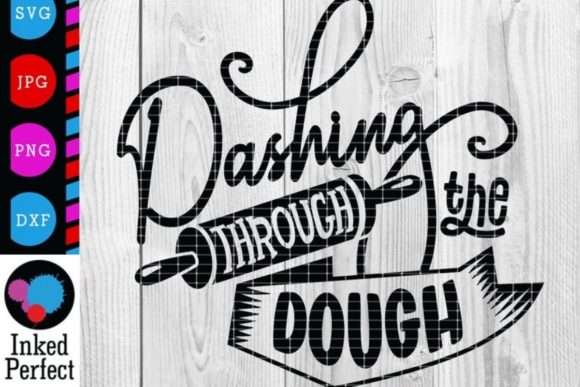
When I opened Dashing Through the Dough - Christmas, I didn’t just see a holiday quote—I saw a vibe. Warm, slightly irreverent, deeply kitchen-rooted. It’s not a generic “Merry Christmas” or a glittery snowflake motif. It’s a wink to anyone who’s ever rolled dough at midnight before a family brunch, swapped cookie recipes mid-argument, or worn flour like war paint. As an embroidery designer who’s stitched everything from nursery quilts to boutique aprons, I immediately pictured this on a heavyweight cotton tea towel—sturdy, absorbent, and full of personality.
Where This Design Naturally Lives
Dashing Through the Dough - Christmas isn’t built for delicate heirloom lace or minimalist linen wall art. It thrives in functional, joyful spaces: embroidered kitchen towels, relaxed-fit sweatshirts for baking classes, canvas tote bags sold at local farmers’ markets, and custom aprons for small-batch bakeries. I recently used a similar design concept for a client launching a holiday-themed pop-up bakery—and yes, we tested Dashing Through the Dough - Christmas as a mockup for their apron line. The rhythm of the phrase, the implied motion in “Dashing,” and the playful alliteration landed perfectly. Customers smiled before they even read it twice.
Real Embroidery Behavior: What Holds Up (and What Needs Care)
In real stitching, Dashing Through the Dough - Christmas performs best where clarity meets comfort: medium-weight woven fabrics like twill, duck cloth, or midweight cotton blends. On a structured tote bag? Excellent—clean satin stitch outlines hold shape, and the letter spacing avoids thread crowding. On a baby onesie? Proceed with caution. The font has friendly curves but includes tight internal counters (like in the “o” and “a”) that can fill in if stitch density is too high or stabilizer is underused. For baby embroidery, I’d recommend testing on scrap knit fabric first—and possibly simplifying the inner fill areas manually if needed.
For sweatshirt embroidery, the design works well centered on the chest—but avoid placing it near seams or side panels where fabric stretch could distort letter alignment. Caps? Tricky. The curve demands careful digitizing adjustments most basic versions won’t include, so unless you’re confident repositioning and reshaping the layout, stick to flat surfaces. Dark fabrics demand strong thread contrast—test black thread on navy terry cloth, then try white or cream on charcoal. You’ll quickly spot where fine details (like subtle serifs or thin connecting strokes) fade without enough fill stitch support.
What It Adds—Beyond the Stitch
This isn’t just text—it’s tone-as-a-product. When customers see Dashing Through the Dough - Christmas on a handmade item, they don’t just register “Christmas.” They register *intention*. That matters for Etsy sellers curating seasonal listings, craft fair vendors building repeat buyers, and small shop owners differentiating from mass-printed alternatives. A well-executed version elevates a plain kitchen towel into a personalized gift. It signals craftsmanship—not just because it’s embroidered, but because the design feels chosen, not slapped on.
I’ve watched shoppers pause at market booths when they see this kind of thoughtful, context-aware humor. It builds trust faster than a perfect stitch count ever could. And for commercial embroidery projects—say, branding for a local pastry studio—Dashing Through the Dough - Christmas offers instant thematic cohesion. Paired with a simple logo or icon (a rolling pin, a whisk), it becomes part of a recognizable visual language.
Practical Designer Notes Before You Stitch
- Always test on scrap fabric first—especially if using textured weaves, terry cloth, or lightweight cotton. Thread tension shifts fast on uneven surfaces.
- Check thread color contrast early. What reads clearly on screen may vanish on dark or busy backgrounds. Print a black-and-white mockup to verify legibility.
- Review stitch density. If the design uses dense fill stitches in tight letters, consider lightening fills or adding underlay—particularly for towels or napkins that’ll endure frequent washing.
- Confirm hoop size compatibility. If your machine has a 4x4 hoop limit and the design spans wider, you’ll need to split or resize—both of which affect proportion and readability.
- Inspect small details—not just for aesthetics, but for manufacturability. Tiny loops or narrow stems may snap during wear or laundering if not reinforced.
- Use appropriate stabilizer: cutaway for knits, tear-away for stable wovens, and fusible + tear-away for towels with looped surfaces.
- Verify licensing before selling finished products or bundling Dashing Through the Dough - Christmas into digital embroidery file packs. Crafts and Graphics categories often carry different usage rights—don’t assume commercial use is included.
Final Thought: Not Just Holiday Flair—It’s Kitchen Truth
Dashing Through the Dough - Christmas earns its place not because it’s festive, but because it’s honest. It celebrates the joyful chaos of holiday cooking—the rushed prep, the imperfect cookies, the laughter over burnt sugar. As a designer, I value assets that resonate *before* they’re stitched. This one does. Whether you’re creating a single personalized gift or scaling up for a craft business holiday launch, it carries warmth, wit, and wearability. Just remember: great embroidery starts with respect for both the design and the fabric it lands on. Test, adjust, and stitch with intention—and let the dough do the dashing.