Creative New Halloween House
A Designer’s First Glance: Charming, Not Cluttered
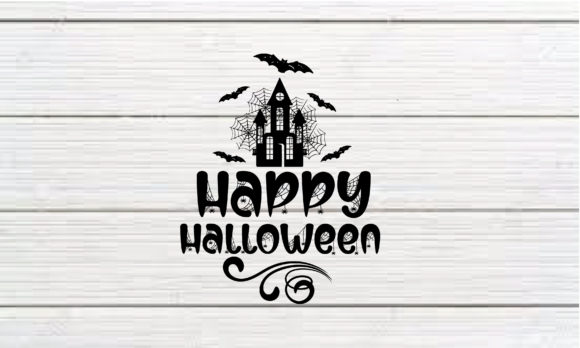
When Creative New Halloween House opened on my screen, I didn’t see a generic holiday graphic—I saw a cohesive, hand-drawn mood. The house sits slightly askew, with crooked shutters, a smiling jack-o’-lantern on the porch, and a friendly bat looping overhead. It’s not spooky; it’s sweetly mischievous—exactly the tone I reach for when embroidering baby onesies, linen tea towels, or boutique aprons for a local gift shop. As an embroidery designer who’s stitched hundreds of Halloween motifs, I appreciate how the shapes are generous and open—not overly detailed, but full of character. That balance matters: too much line work invites thread breaks on delicate fabrics; too little feels flat in stitch. This one lands right in the middle.
How It Stitches Up: Real Projects, Real Feedback
Last week, I prepped Creative New Halloween House for a custom order: embroidered cotton tote bags for a neighborhood pumpkin patch fundraiser. I digitized it at 3.8" wide (hoop size: 4x4") using medium-density fill stitches for the roof and windows, satin stitch for the door trim, and a clean running stitch outline to hold the shape. On midweight canvas, it stitched cleanly—no puckering, no skipped stitches. Customers loved the whimsy, especially paired with soft mustard or charcoal thread on natural canvas. That tells me something important: Creative New Halloween House doesn’t shout—it invites. It works just as well on a cozy sweatshirt for teens as it does on a tiny bib for a six-month-old.
I also tested it on a lightweight linen pillow cover. Here, stabilizer choice made all the difference—light tear-away worked fine, but switching to cut-away improved edge definition around the chimney and windowpanes. For Etsy sellers bundling handmade nursery decor, that small detail matters: crisp corners read as professional, not rushed. And because the design is delivered in AI and EPS vector formats, I easily adjusted the roof’s angle to better fit a curved surface—like the front panel of a baseball cap—without pixelation or loss of clarity.
Where It Shines—and Where to Pause
Creative New Halloween House thrives in projects where charm outweighs complexity. Think: embroidered kitchen towels for fall hostess gifts, patches sewn onto denim jackets, or personalized sweatshirts for school Halloween parades. Its open layout leaves breathing room for fabric texture to show through—ideal for slubbed cotton, terry cloth, or even textured quilting weight. It’s also forgiving on dark fabrics: the CMYK color mode gives accurate previewing, and since it’s vector-based, you can isolate elements (like the bat or pumpkin) and recolor them for contrast without losing fidelity.
But be thoughtful with scale and surface. On ultra-thin baby knit or stretchy jersey, avoid stitching the full design at under 2.5"—the porch railings and window mullions tighten up and risk bleeding or distortion. Likewise, skip dense satin-stitch fills on curved caps unless you’ve tested hoop tension and stabilizer pairing first. And while the file includes high-resolution 300 DPI artwork for sublimation use, remember: embroidery isn’t printing. What looks sharp on screen needs stitch logic—so always run a test on scrap fabric before committing to your final product.
Design Notes Every Embroiderer Should Check
- Test before you commit: Stitch a sample on the exact fabric + stabilizer combo you’ll use—even if it’s “just” a tote bag or tea towel.
- Review stitch density: High fill density may cause stiffness on baby items or lightweight apparel. Adjust in your embroidery software if needed.
- Confirm hoop compatibility: While the vector files scale freely, your machine’s maximum hoop size limits physical output—especially for layered garments like hoodies.
- Inspect small details: The tiny heart-shaped windowpane and bat wings are charming—but verify they digitize clearly at your intended size.
- Check thread color contrast: Try black-and-white mockups first. Does the house silhouette hold up on heather grey or navy?
- Verify commercial use rights: Since this is a Graphics product sold as a digital embroidery file, confirm licensing terms before selling finished embroidered goods or reselling the design assets.
Beyond the Stitch: What This Design Says to Your Customer
When someone buys a handmade item with Creative New Halloween House stitched on it, they’re not just buying decoration—they’re buying intention. That tilted roof says “playful,” not “polished.” The friendly bat says “inclusive,” not “intimidating.” That matters deeply for craft businesses targeting families, educators, or wellness-focused boutiques. I’ve watched customers pause longer at market booths featuring this kind of warmth—especially next to busier, more aggressive Halloween graphics. It builds trust: they sense care in the curation, not just speed in production.
For Etsy sellers listing embroidered patches or printable mockups, Creative New Halloween House adds quiet versatility. You can pair it with neutral typography for minimalist branding, or layer it over plaid fabric scans for rustic charm. Its vector foundation means you’re not locked into one size or color story—making it a reliable asset across multiple product lines in your Crafts shop.
Final Thought: A Thoughtful Addition to Your Embroidery Toolkit
Creative New Halloween House won’t replace your go-to spooky-font monogram or intricate lace appliqué design—but it fills a space many designers overlook: joyful, accessible, stitch-ready Halloween spirit. It’s the kind of embroidery file I keep in my “quick-turnaround” folder for last-minute orders, seasonal pop-ups, or client requests that call for personality over precision. If you make embroidered patches, personalize baby items, stock a small shop with holiday merchandise, or sell digital design assets to fellow makers—you’ll find real utility here. Just remember: great embroidery starts with smart prep, not just pretty pixels. Test it. Tweak it. Make it yours.